A powerful example includes advanced stretching routines that incorporate dynamic wall-assisted movements. For guidance on enhancing your flexibility, check out Dynamic Stretching with Wall Pilates, which is particularly beneficial for increasing range of motion and posture alignment. Wall Pilates stands out as one of the most adaptable and versatile workout regimens, aligning well with beginner and advanced fitness goals alike. Whether you’re aiming to build strength, enhance flexibility, or support recovery, the wall’s resistance and stability make it an ideal resource. Wall Pilates has proven itself as a highly versatile workout, offering scalable routines for all levels of fitness.
Barre vs Wall Pilates: Which Workout is Best for You?
This simplicity allows for quick sessions during a busy day without compromising productivity. Yes, Wall Pilates is excellent for beginners as the wall provides support https://resident.com/resource-guide/2025/07/23/unimeal-review-how-this-app-personalizes-your-path-to-healthy-eating and stability, making it easier to maintain proper form and build confidence. While some advanced routines might incorporate props like resistance bands, these are optional additions.
Advanced Benefits of Incorporating Wall Pilates into Your Routine
By consistently exploring advanced Wall Pilates techniques, you can elevate your fitness journey, creating a well-rounded routine that supports your physical and mental health. Most people notice improvements in posture and flexibility within 2-3 weeks of consistent practice. More significant changes in strength and body composition typically appear after 6-8 weeks.
Is Wall Pilates suitable for beginners?
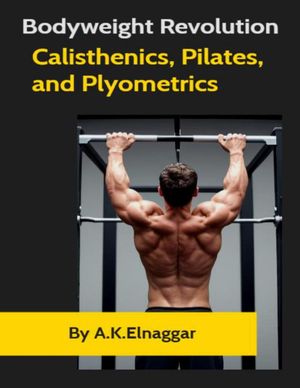
Pilates strengthens the core and improves flexibility, whereas calisthenics uses bodyweight movements and progressive loading to build muscle. Push-ups, pull-ups, and bodyweight squats are examples of calisthenics exercises that simultaneously work several muscular groups. These compound movements can efficiently increase muscular growth, according to research [1]. When your body weight is effectively used in a variety of exercises, it provides resistance that encourages the growth of your muscles. Wall Pilates isn’t just a workout—it’s a lifestyle that adapts to your personal fitness needs and long-term health goals. Its versatile nature allows you to work out anywhere, ensuring you cultivate consistency even with a busy schedule.
For instance, incorporating rotation exercises like twisted wall lunges not only improves flexibility but also enhances spinal mobility and balance. Pilates is a low-impact exercise method developed by Joseph Pilates in the early 20th century. It focuses on improving core strength, flexibility, and overall body balance through controlled movements and specific breathing techniques. Science backs up the idea that a balanced approach to exercise might produce superior outcomes and a high degree of fitness. When combined, calisthenics and Pilates can provide a balanced and all-encompassing method of developing strength.
Incorporating Wall Pilates into Your Fitness Goals
- For a detailed guide, you can explore these Wall Pilates beginner exercises that help ease you into a routine.
- Many therapeutic practices rely on wall exercises for spinal alignment and joint health, which reinforces its holistic nature.
- These movements not only activate your core but also elevate your heart rate, resulting in a more comprehensive workout.
- These compound movements can efficiently increase muscular growth, according to research [1].
- For step-by-step guidance on advanced maneuvers, visit Progressive Wall Pilates Challenges to push your limits safely while enjoying visible results.
- Whether you’re aiming to build strength, enhance flexibility, or support recovery, the wall’s resistance and stability make it an ideal resource.
For step-by-step guidance on advanced maneuvers, visit Progressive Wall Pilates Challenges to push your limits safely while enjoying visible results. For ongoing tips on elevating your practice, discover additional resources like Tracking Progress in Home-Based Wall Pilates, which will help you optimize your at-home fitness routine. Keep in mind that we may receive commissions when you click our links and make purchases. We try our best to keep things fair and balanced, in order to help you make the best choice for you.
Wall Pilates vs P.volve: Choosing the Best Low-Impact Workout
With regular practice, flexibility gains can significantly reduce muscle stiffness and prevent injuries. Resources like Dynamic Stretching with Wall Pilates provide invaluable techniques to increase range of motion. Wall Pilates extends beyond basic fitness, offering targeted solutions for various health and wellness goals. From improving core strength to addressing specific physical needs, it delivers a holistic approach to the modern fitness journey. Calisthenics, on the other hand, is a form of exercise that uses body weight to build strength, endurance, and flexibility. It has been around for centuries and includes exercises such as push-ups, pull-ups, squats, and lunges.
Key Features of Pilates:
Isometric exercises have been shown to be beneficial in boosting muscle strength and stability in studies [4]. Ultimately, regardless of your fitness level, committing to consistent practice is the cornerstone of success with Wall Pilates. Remember that even short, 15-minute daily sessions can yield noticeable improvements in strength, flexibility, and overall well-being. One of the key advantages of Wall Pilates is its adaptability to small spaces, making it ideal for home workouts. Unlike some fitness programs that require expensive gym equipment or large workout rooms, Wall Pilates only demands a clear wall and a yoga mat.
By advancing your skills, you not only benefit physically but also enhance your mental focus as you master control and precision in movement. These techniques complement any fitness goal, whether that’s increasing flexibility, achieving core strength, or improving posture. If you’re looking to build a strong core, improve flexibility, and engage in low-impact exercises, Pilates might be the way to go. On the other hand, if you want to build overall strength, endurance, and perform functional movements, Calisthenics could be the better option. Calisthenics, on the other hand, is a form of strength training that emphasizes bodyweight exercises without the use of equipment.
Why Wall Pilates Is a Fitness Lifestyle Choice
Whether you’re just starting your fitness journey or looking to enhance your existing routine, the principles and techniques of Wall Pilates can help you achieve your wellness goals. Remember that consistency and proper form are key to success, and don’t hesitate to start small and gradually progress as you build confidence and strength. Advanced movements in Wall Pilates challenge your body in unique ways, targeting hard-to-reach areas of tension while building functional strength.
Wall Pilates for Respiratory Health
It is advisable to speak with a fitness expert or instructor to design a personalized exercise regimen that incorporates Calisthenics and Pilates to meet your unique needs and goals. Calisthenics, often known as bodyweight training, is a style of exercise where the participant employs their own body weight as resistance. Due to its ease of use and efficiency, this type of strength training has become extremely popular.
Core-Strengthening Routines
With slow transitions and a heightened focus on breathwork, wall Pilates serves as a meditative practice, offering relaxation for both body and mind. Explore how wall Pilates enhances mental well-being by visiting Wall Pilates for Relaxation and Stress Relief. If you’ve tried it and want to advance your practice, or you’re ready to build a consistent workout schedule, Wall Pilates offers endless benefits waiting to be discovered. Start small, go at your own pace, and watch as this innovative routine transforms your fitness journey. Pilates frequently uses isometric contractions, in which muscles are worked without lengthening.