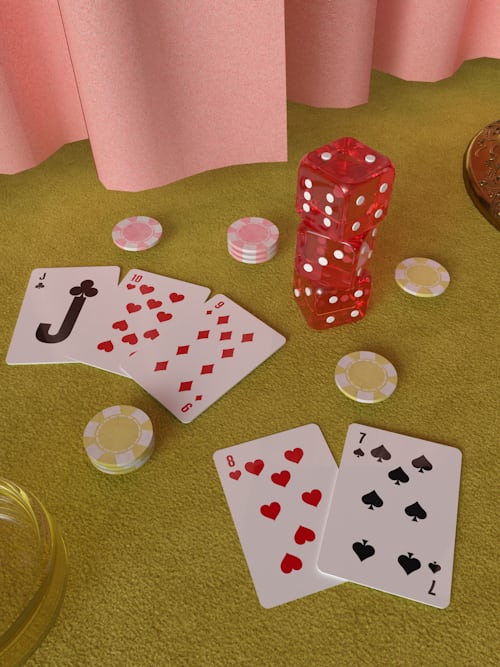
- Master the Cards: A Strategic Guide to Winning at teen patti & Outsmarting the Competition
- Understanding the Hand Rankings
- Betting Strategies: Navigating the Rounds
- The Importance of Pot Odds
- Reading Your Opponents
- Bluffing: A Risky but Rewarding Tactic
- When to Avoid Bluffing
- Managing Your Bankroll
Master the Cards: A Strategic Guide to Winning at teen patti & Outsmarting the Competition
teen patti, a traditional Indian card game, has gained immense popularity in recent years, extending its reach far beyond its origins. Often described as a simplified version of three-card poker, it involves skill, strategy, and a little bit of luck. Understanding the nuances of the game – the hand rankings, betting strategies, and psychological elements – is crucial for anyone looking to consistently win. This guide will explore the intricacies of teen patti, offering insights into how to master the game and outsmart your competition, ultimately enhancing your chances of success at the table.
The appeal of teen patti lies in its simplicity and accessibility. While the rules are straightforward, the depth of strategic possibilities makes it a captivating pastime for both casual players and dedicated enthusiasts. The game fosters social interaction and excitement, adding another layer of enjoyment to the overall experience. As its online presence grows, more and more individuals are discovering the thrill and challenge that teen patti offers.
Understanding the Hand Rankings
A fundamental aspect of mastering teen patti is a thorough understanding of the hand rankings. These rankings dictate the value of your three-card hand and determine your potential payout. Knowing the hierarchy allows you to evaluate your odds, make informed betting decisions, and recognize when to fold or bluff. The rankings range from the highest-paying combination, a Trail (three of a kind), down to the lowest, a High Card.
Properly identifying your hand and comparing it to potential opponents’ hands is key. Recognizing these distinctions will solidify your position in the game.
| Trail (Three of a Kind) | All three cards are of the same rank (e.g., three Queens). | 0.14% |
| Pure Sequence | Three consecutive cards of the same suit (e.g., 5-6-7 of Hearts). | 0.11% |
| Sequence (Run) | Three consecutive cards, not necessarily of the same suit (e.g., 5-6-7 of mixed suits). | 0.59% |
| Flush | Three cards of the same suit, not in sequence (e.g., 2-8-Jack of Spades). | 3.04% |
| Pair | Two cards of the same rank, and one odd card (e.g., two Kings and a 7). | 21.13% |
| High Card | No specific combination; the highest-ranking card determines the hand’s value. | 50.11% |
Betting Strategies: Navigating the Rounds
The betting structure in teen patti is dynamic, with rounds of increasing stakes. A well-defined betting strategy is vital to maximizing your wins and minimizing losses. It is important to consider your hand strength, the behavior of your opponents, and the current pot size. Starting with conservative bets and gradually increasing them based on your confidence level is a common approach.
Understanding when to bet, raise, call, or fold requires careful observation and calculated risks. Don’t be afraid to bluff strategically, especially when you have a weak hand and believe your opponents may fold. Knowing when to cut your losses is paramount to preserving your bankroll and extending your gameplay.
The Importance of Pot Odds
Pot odds are a crucial concept for informed decision-making. Calculating the ratio between the cost of a call and the potential reward helps determine if a call is mathematically justifiable. If the potential reward significantly outweighs the risk, a call may be warranted even with a weak hand. For example, if the pot contains $100 and an opponent bets $20, the pot odds are 5:1. This means you need to win at least 20% of the time to make the call profitable in the long run. Mastering this concept gives you a valuable edge.
Furthermore, recognizing your opponents’ tendencies is a skill that develops with experience. Is a player a tight player who rarely bluffs, or a loose player prone to aggressive bets? Adjusting your strategy accordingly is a cornerstone of successful teen patti gameplay.
Reading Your Opponents
Teen patti is not solely based on the cards you hold; the ability to read your opponents is a significant advantage. Observing their betting patterns, body language (in live games), and how they react to certain situations can provide valuable clues about the strength of their hands. A player who consistently makes large bets may be confident in their hand, while someone who hesitates or checks frequently could be concealing a weak holding.
Pay close attention to tells – subtle cues that reveal information about an opponent’s hand. These can include changes in breathing, micro-expressions, or nervous habits. However, remember that skilled players may deliberately attempt to mislead you with false tells. The art of reading opponents requires caution and a nuanced understanding of human behavior.
- Bet Sizing: Large bets often indicate strong hands, but can also be bluffs.
- Betting Timing: Quick bets can signify confidence, whereas hesitant betting suggests uncertainty.
- Tells (Live Games): Look for subtle physical cues that may reveal information.
Bluffing: A Risky but Rewarding Tactic
Bluffing is an integral part of teen patti, adding a layer of psychological complexity to the game. A well-executed bluff can force opponents with stronger hands to fold, allowing you to win the pot even with a weak holding. However, bluffing should be used selectively and strategically. Frequent or predictable bluffing can be easily detected by savvy opponents.
The best opportunities for bluffing arise when you have a good understanding of your opponents’ tendencies and the board texture. Consider factors such as the pot size, the number of remaining players, and the potential consequences of being called. A calculated bluff, coupled with a convincing demeanor, can be highly effective.
When to Avoid Bluffing
Not every situation is conducive to bluffing. Avoid bluffing against opponents who are known to be very conservative, or when the pot is already large and a call would be relatively inexpensive for them. Also, be cautious about bluffing when you have limited information about your opponents’ hands. Remember, bluffing is a high-risk, high-reward strategy that should be employed judiciously.
Managing Your Bankroll
Effective bankroll management is paramount for long-term success in teen patti (and any form of gambling). Establishing a budget and sticking to it is crucial to avoid financial hardship. Never bet more than you can afford to lose, and avoid chasing losses in an attempt to recoup your money. A smart approach is to set a win/loss limit for each session.
- Set a budget before you start playing.
- Never bet more than you can afford to lose.
- Avoid chasing losses.
- Choose stakes appropriate for your bankroll.
Mastering teen patti requires patience, discipline, and a willingness to learn from your mistakes. By understanding the hand rankings, developing a sound betting strategy, accurately reading your opponents, and managing your bankroll effectively, you’ll significantly increase your chances of winning and enjoying this thrilling card game.