With an understanding of how a balanced diet contributes to muscle building, it’s now important to explore the specific nutritional requirements of different groups. The next section will discuss special dietary considerations for various groups like women, seniors, and beginners, tailoring muscle-building diets to individual needs. Balancing these macronutrients is key to a diet that supports muscle building while maintaining overall health. Protein is undoubtedly vital for muscle growth, but it’s just one part of the nutrition puzzle. The next section will focus on achieving a balanced diet, which is equally important for optimizing muscle growth and overall health.
The Best Protein Powder for Rapid Muscle Gain
A 3.5-ounce serving of boneless pork loin has 21.1 grams of protein and just 3.3 grams of saturated fat, according to the USDA. However, you need more if you’re working out regularly and striving to build muscle, she adds. As a guide, Dardarian suggests aiming for 20 grams of protein at each meal, including breakfast, lunch, dinner, and snacks.
Swap out red meat for healthier meats
- A one-ounce serving contains approximately 6 grams of protein and 14 grams of fat, making them ideal for muscle repair and growth.
- With 1 cup containing 28 grams of protein at around 163 calories, you can not find any other food that delivers as much quality protein.
- Slow acting, a bowl of oatmeal makes the perfect food to start the day.
- It makes up the enzymes that power many chemical reactions and the hemoglobin that carries oxygen in your blood.
- It is a great source of B vitamins, promoting overall muscular and metabolic health.
- However, it’s important to consume a well-balanced diet that includes healthy carbohydrates and fats.
Incorporating these into your diet ensures you’re fueling your body efficiently for performance, growth, and recovery. Muscle building requires a balance of macronutrients (protein, carbs, and fats) and key micronutrients. Similarly to other beans and legumes, https://wellnessvoice.com/best-fitness-apps-for-weight-loss/ peas are a source of protein. Peas consist of 20% to 25% protein and, unlike some other plant sources, contain all the essential amino acids. This article explains the importance of nutrition and what to eat to build muscle. It also lists 30 foods with sufficient amounts of protein, including those suitable for a plant-based diet.
Getting a range in your diet is important and looking out for this in your protein shake is an easy way to do this. Unlike many other plant proteins, soybeans contain all the necessary amino acids required for muscle building, and they are also present in appropriate amounts in the young edamame beans. Tuna is a lean protein source, but the fat it provides is of the best quality and high in omega-3 fatty acids.
Salmon
Plus, their low glycemic index means carbs are slowly released into your body, preventing sugar crashes and spurring the process of muscle recovery. Needless to say, including cuts of red meat in your diet is a sure-fire way to increase your creatine stores naturally. As we all know the effects creatine has on building lean muscle mass, the inclusion of red meat should be a priority for your muscle-building diet.
Put a few sticks of beef jerky in your bag and munch on them on the way home from the gym as a post-workout snack. A 1-ounce piece of beef jerky has about 10 grams of protein, according to the USDA. Jerky from other types of meat, such as turkey, is also packed with protein. If you’re looking for something different for pasta night, try spaghetti or penne made from chickpeas to up your protein intake, Dardarian says.
Benefits of Amino Acid Supplements
Our article on the best pea protein powder features some excellent choices that provide all nine essential amino acids per serving. Consuming proper foods, which include protein, carbs, healthy fats, and essential vitamins and minerals, can have a huge impact on the type of results you see. Lean cuts of meat are good sources of complete protein, Cervantes says. About 3.5 ounces of 90% lean ground beef has 18.2 grams of protein, according to the USDA. The American Heart Association suggests looking for “round” cuts of beef, which are lower in saturated fat, as well as “choice” and “select” grades and 90% or higher lean ground beef. Trim off or drain any excess fat to reduce your saturated fat intake.
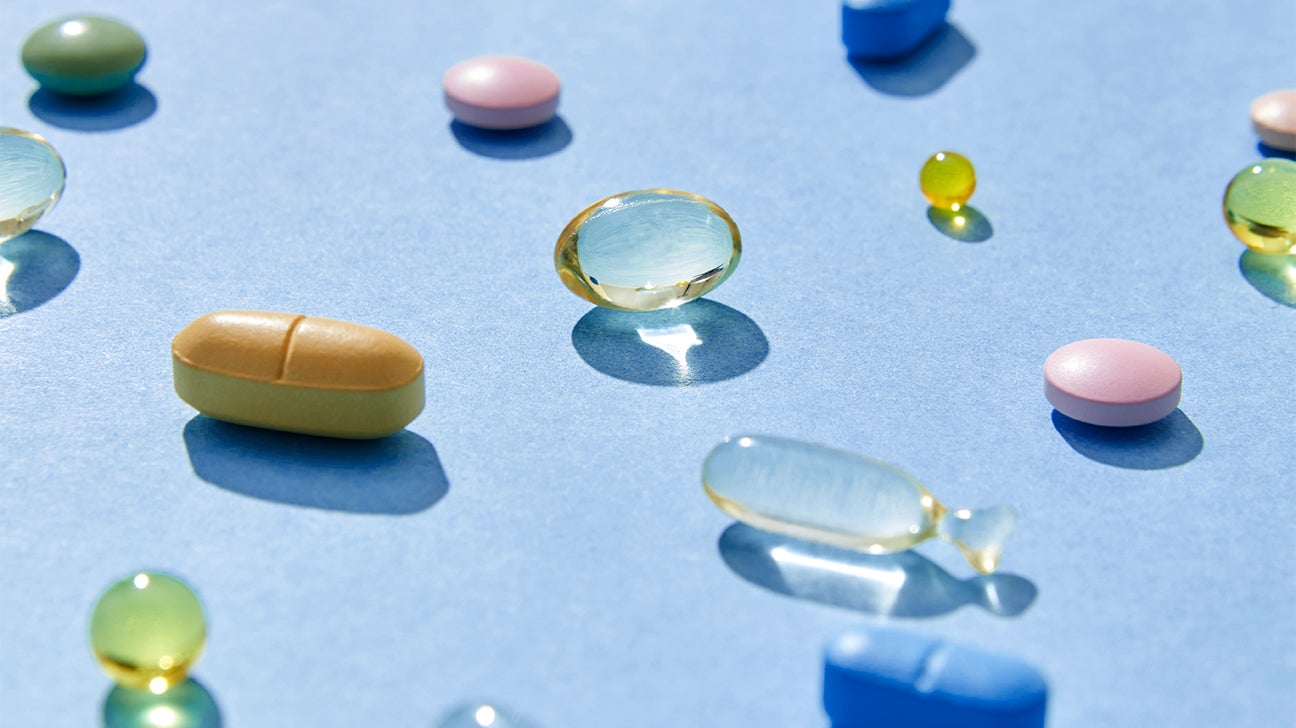
Branched-chain amino acids (BCAAs) in females
A 3-ounce (85-g) serving of lean beef provides 24.6 g of protein (24). People following a vegan diet often use chia seeds as an egg substitute, and many people enjoy adding them to smoothies or salads for extra health benefits. This tiny seed packs around 16.5 g of protein per 100 g and omega-3s, fiber, and calcium. While it is not as high in protein as some other sources, 100 g of cooked napa cabbage adds 1.1 g of protein to your daily intake. A person can prepare black beans in various ways, making them a very versatile ingredient when preparing meals. Plain, low-fat Greek yogurt packs as much as 9.95 g of protein in a 100 g serving.
Essential foods for building stronger muscles
Eggs are an excellent source of protein, nutrients, and healthful fats, with 100 g containing about 12.4 g of protein. Weight gainers are supplements designed to conveniently help you get more calories and protein. They’re typically used by people who have difficulty gaining muscle, even when consuming large amounts of calories and lifting weights. As the result of many studies and years of data, it is universally accepted that without sufficient protein, we won’t be able to gain the anabolic improvements from resistance training. However, how exactly to time protein intake throughout the day to get the most out of each workout is subject to more debate.
The benefits of creatine are endless, and we often recommend including a creatine supplement to support your training goals. We know we just spoke about protein powder, but we want to specifically mention casein powder. Due to it being one of the few slow digesting proteins, casein protein plays a special role in building lean muscle.
Q1. Is it safe to consume protein powder for women and men?
You might already be regularly munching some of the foods below, others may come as a surprise – but trust us, all of them will fuel your mission to build lean muscle. Load up your shopping trolley with our best muscle building food picks. In addition, the amino acids found in peanut butter can help lower blood pressure. They make a great snack food, and with a variety of different seasonings and flavorings, peanuts can be a quick handful of protein that you don’t have to become bored of. Although many nuts have plenty of protein for muscle growth, you do have to watch out for the fat content to keep those muscles lean. Some research has even shown that consuming lean red meat can increase the amount of lean mass gained with weight training.
Are high protein foods good for weight loss?
Including soya chunks in your diet can greatly boost protein intake without increasing fat consumption. Fortunately, there are many high protein foods to choose from, including animal and plant-based sources. Foods that are highest in protein typically include lean meat, poultry, and seafood. But you can also get protein from eggs, beans, nuts, seeds, and soy products.
Simple Muscle-Building Meal Ideas
It provides the essential amino acids required for the synthesis of new muscle tissue. Lean meats, such as chicken breast and turkey, are excellent sources of high-quality protein. They are low in fat and provide all the essential amino acids needed for muscle growth. Fish, particularly fatty fish like salmon, not only offer protein but also provide omega-3 fatty acids, which can help reduce inflammation and support muscle recovery. Incorporating complex carbohydrates into a muscle-building diet requires careful planning and portion control.